
What is Zinc?
is a micronutrient involved in the regulation of immune responses. The total zinc content in the human body amounts to 2–4 g, with a plasma concentration of 12–16 μM [5]
is a mineral, involved in cell division, cell growth, wound healing, break down of carbohydrates, enhancing action insulin, and it is necessary for the sense of smell and taste.
[1]Pregnant mothers, infancy and children needs adequate amount of Zinc in the body which helps for proper anatomy and physiological development.
The highest concentrations of zinc are found in the muscles, bones, skin, and liver. [6/7]

Benefits of Zinc
Fights Body Inflammation
Good for Skin
Good for Brain health
Helps in Food digestion
Infancy/Childhood development
Fertility
Prevent Macular Degeneration
Lower insulin level in the body
Fights Body Inflammation
[2]Zinc, if taken regularly, may reduce the risk of developing common cold. Zinc deficiency from hereditary or dietary causes can lead to pathological changes and delayed wound healing.
When you eat foods rich in Zinc your immune system will combat against infection.
Good for Skin
Skin is the third most Zn-abundant tissue in the body (skeletal muscle 60%, bones 30%, liver 5%, and skin 5%) [8] The epidermis contains more Zinc than the dermis.
Zinc helps in skin inflammation. A study has been done to individuals with lower Zinc level in the body are prone to skin diseases.
Oral and Topical Zinc are used in the hospitals and households to treat skin ulcer and wounds. Scientist showed that topical Zinc Oxide improves wound healing.
Good for Brain Health
Zinc is necessary for proper brain function. According to studies, patients with Alzheimers Disease, Parkinsons Disease, Schizophrenia has abnormally low level of Zinc in the body. Zinc homeostasis is important for brain health because it is corellated with a healthy brain function.
Helps in Food Digestion
Zinc deficiency is prevalent among young children in developing countries that have a poor diet and high exposure to gastrointestinal parasites[9] A study has showed that supplemental zinc when combined with oral rehydration salts solution (ORS), gives therapeutic benefits in diarrhoea. Zinc in addition with ORS, reduces the duration and severity of acute and persistent diarrhea.
[3]Zinc has proven to be very effective for the treatment of pediatric diarrhea, saving millions of children’s lives in developing countries such as India.
Infancy/ Childhood development
Zinc is a vital mineral which is critical in a childhood growth under 2-5 years of age. It participates mainly in cell division and growth, neurotransmission, cognition and hormonal balance. Zinc supplementation is very crucial for children that are underweight. Studies have confirmed that Zinc deficiency may alter the proper growth of a child.
[11] Analysis from one of the studies indicated that a dose of 10 mg zinc per day for 24 weeks led to a net a gain of 0.37 (±0.25) cm in height of children who received zinc supplements compared to those who did not.
Fertility
Zinc plays a role in both gender fertilization. It plays a key role in sperm capacitation, that is a major importance in fertilization.
[10] Oral Zinc supplementation results in increased sperm counts in humans (combined with inclusion of folate
Prevents Macular Degeneration
Macular degeneration is the loss or blurriness of vision in older people. [12] The eye has a relatively high content of zinc among other organs and tissues with the peak concentration in the RPE about 300 µg/g dry tissue. According to research, a low Zinc diet may contribute in developing aged-related macular degeneration.
Lower Insulin level in the body
Zinc plays an important role in insulin action, balance of glucose level in the body and the pathogenesis of Diabetes Mellitus and its complication.
Mild zinc deficiency is associated with depressed immunity, impaired taste and smell, onset of night blindness, and decreased spermatogenesis. Severe zinc deficiency is characterized by severely depressed immune function, frequent infections, bullous pustular dermatitis, diarrhea, and alopecia.[4]
Foods rich in Zinc
Crustacean Seafoods
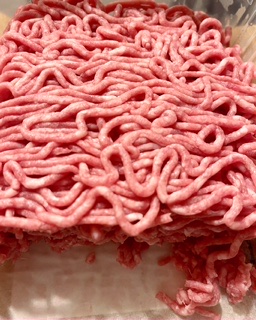
Red Meat
Kernels
Green leafy vegetables
Eggs

Cheese

Milk
Peas
Fruits (Kiwi, Banana, Raspberries, Tangerine, Pomengrate, etc)

Required amount of Zinc in the body
Factors such as age, gender, weight and diet have different recommended intake of Zinc/day. According to the US Food and Nutrition the daily intake for adult males and females are 11 mg/ day and 8mg/day. In the German Society of Nutrition the recommended daily intake comprised of 10mg/day and 7 mg/day.
It is always important to go to your Primary Health Provider before taking too much of Zinc supplement because Zinc overdose can also happen. Zinc and Copper are both absorbs in the small intestine. Copper is essential in the absorption of Iron. High amount of Zinc in the system can cause Copper deficiency.
—————————————————————————————————————————————
References:
[1] Maret W, Sandstead HH. Zinc requirements and the risks and benefits of zinc supplementation. J Trace Elem Med Biol. 2006;20(1):3-18.
[2] Bae YS, Hill ND, Bibi Y, Dreiher J, Cohen AD. Innovative uses for zinc in dermatology. Dermatol Clin. 2010 Jul;28(3):587-97.
[3] 48. Bajait C., Thawani V. Role of zinc in pediatric diarrhea. Indian J. Pharmacol. 2011;43:232.
[4]27. Prasad AS. Zinc and immunity. Molecular and Cellular Biochemistry. 1998;188(1-2):63–69
[5]. Haase H., Rink L. Multiple impacts of zinc on immune function. Metall. Integr. Biometal Sci. 2014;6:1175–1180. doi: 10.1039/c3mt00353a. [PubMed] [CrossRef] [Google Scholar]
[6/7]. Anonymous. Zinc in Human Biology. In: Mills C.F., editor. Physiology of Zinc: General Aspects.Springer; London, UK: 2013. [Google Scholar]8. Favier A., Favier M. Effects of zinc deficiency in pregnancy on the mother and the newborn infant. Rev. Fr. Gynecol. Obstet. 1990;85:13–27. [PubMed] [Google Scholar]
[8] Jackson M.J. Physiology of zinc: General aspects. In: Mills C.F., editor. Zinc in Human Biology.Springer; Berlin/Heidelberg, Germany: New York, NY, USA: 1989. pp. 1–14.
[9] 4. Brown KH, Rivera JA, Bhutta Z, Gibson RS, King JC, Lönnerdal B, et al. International Zinc Nutrition Consultative Group (IZiNCG) Assessment of the risk of zinc deficiency in populations and options for its control. International Zinc Nutrition Consultative Group (IZiNCG) technical document #1. Food Nutr Bull. 2004;25(1 Suppl 2):S99–203
[10] Irani M., Amirian M., Sadeghi R., Lez J.L., Latifnejad Roudsari R. The Effect of Folate and Folate Plus Zinc Supplementation on Endocrine Parameters and Sperm Characteristics in Sub-Fertile Men: A Systematic Review and Meta-Analysis. Urol. J. 2017;14
[12] Newsome D.A., Miceli M.V., Tate D.J., Jr., Alcock N.W., Oliver P.D. Zinc content of human retinal pigment epithelium decreases with age and macular degeneration, but superoxide dismutase activity increases. J. Trace Elem. Exp. Med. 1996;8:193–199. doi: 10.1002/(SICI)1520-670X(199605)8:4<193::AID-JTRA1>3.0.CO;2-O.
 A Happy Place